Nepali Aama Portrait of a Nepalese Hill Woman
Auther
Broughton Coburn
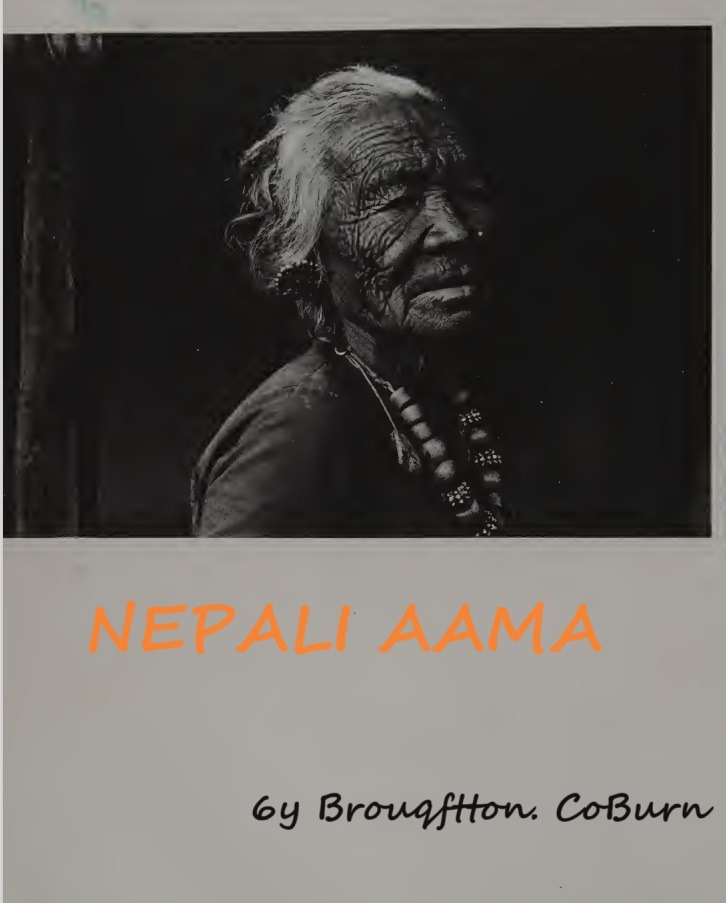
“Nepali Aama Portrait of a Nepalese Hill Woman”
serves not only as a title but as a profound exploration into the lives, struggles, and triumphs of the remarkable women who embody the essence of resilience and strength amidst the rugged landscapes of the Nepalese hills. Within the pages of this captivating narrative, the reader is invited into a world where the Nepali Aama stands as a beacon of fortitude, compassion, and unwavering resolve.
Throughout the rich tapestry of “Nepali Aama Portrait of a Nepalese Hill Woman,” the stories unfold, each painting a vivid picture of the daily realities faced by these extraordinary individuals. From the break of dawn to the setting of the sun, the Nepali Aama tirelessly tends to her household chores, tends to the fields, and nurtures her loved ones with boundless love and dedication. Her hands, weathered by years of toil, tell the story of resilience in the face of adversity, each line a testament to the strength of her spirit.
In the heart of the Himalayas, where the air is thin and the terrain unforgiving, the Nepali Aama stands as a pillar of strength, embodying the timeless values of hard work, sacrifice, and selflessness. Her unwavering commitment to her family’s well-being serves as an inspiration to all who cross her path, reminding us of the power of determination and perseverance.
But “Nepali Aama Portrait of a Nepalese Hill Woman” is more than just a collection of stories; it is a celebration of culture, tradition, and the indomitable human spirit. Through the songs, rituals, and customs passed down through generations, the Nepali Aama keeps alive the rich tapestry of Nepalese heritage, weaving together the threads of the past with the present.
As we journey through the pages of “Nepali Aama Portrait of a Nepalese Hill Woman,” we are reminded of the profound impact these women have on shaping the fabric of their communities. Their resilience in the face of adversity, their compassion in times of need, and their unwavering commitment to their families serve as a testament to the enduring strength of the human spirit.
In essence, “Nepali Aama Portrait of a Nepalese Hill Woman” is a tribute to the extraordinary women who grace the hills of Nepal with their presence. Through their stories, we gain insight into the depths of their courage, the warmth of their hearts, and the resilience of their souls. It is a portrait not only of a woman but of a way of life—a celebration of the power of love, perseverance, and the human spirit to overcome even the greatest of challenges.
The Nepali Aama, or hill women of Nepal, are emblematic figures whose resilience, strength, and grace have long been celebrated both within their communities and beyond. A portrait of these women captures not just their physical features but also the essence of their daily lives, cultural richness, and the challenges they navigate with remarkable fortitude.
Visually, the Nepali Aama often presents a striking image. Clad in vibrant saris or traditional attire, adorned with colorful beads and jewelry, and often with a distinctively patterned scarf draped gracefully over their heads, they embody a blend of tradition and modernity. Their weathered faces tell stories of hardship and triumph, etched with lines that speak of a life lived amidst the rugged terrain of the Himalayan foothills.
Beyond their appearance, the true essence of Nepali Aama lies in their roles within their families and communities. They are the backbone of rural Nepali society, responsible for managing households, tending to crops, and caring for children and elders. Despite the demanding nature of their daily chores, they exude warmth and hospitality, welcoming guests with open arms and sharing whatever little they have with generosity.
In their eyes, one can glimpse the wisdom accumulated over generations, passed down through oral traditions and lived experiences. These women are the bearers of cultural heritage, preserving ancient customs and rituals that define Nepali identity. Whether it’s singing folk songs while working in the fields or participating in religious ceremonies with devotion, they infuse every aspect of life with a sense of reverence and continuity.
Yet, the portrait of Nepali Aama also reflects the challenges they face. Limited access to education and healthcare, entrenched gender roles, and the impacts of climate change on agricultural livelihoods are just some of the hurdles they confront daily. Despite these obstacles, they confront adversity with resilience, drawing strength from their communities and their deep-rooted connection to the land.
In recent years, there has been a growing recognition of the invaluable contributions of Nepali Aama to society. Efforts to empower women through education, skill-building initiatives, and advocacy for gender equality are gradually reshaping the landscape, offering hope for a brighter future where these women can thrive to their fullest potential.
In capturing the portrait of Nepali Aama, one captures not just the image of an individual woman but a reflection of an entire culture—a culture shaped by the mountains, valleys, and rivers of Nepal, and by the indomitable spirit of its people. It is a portrait that speaks of resilience, community, and the enduring power of the human spirit to overcome adversity and find beauty amidst the harshest of landscapes.